

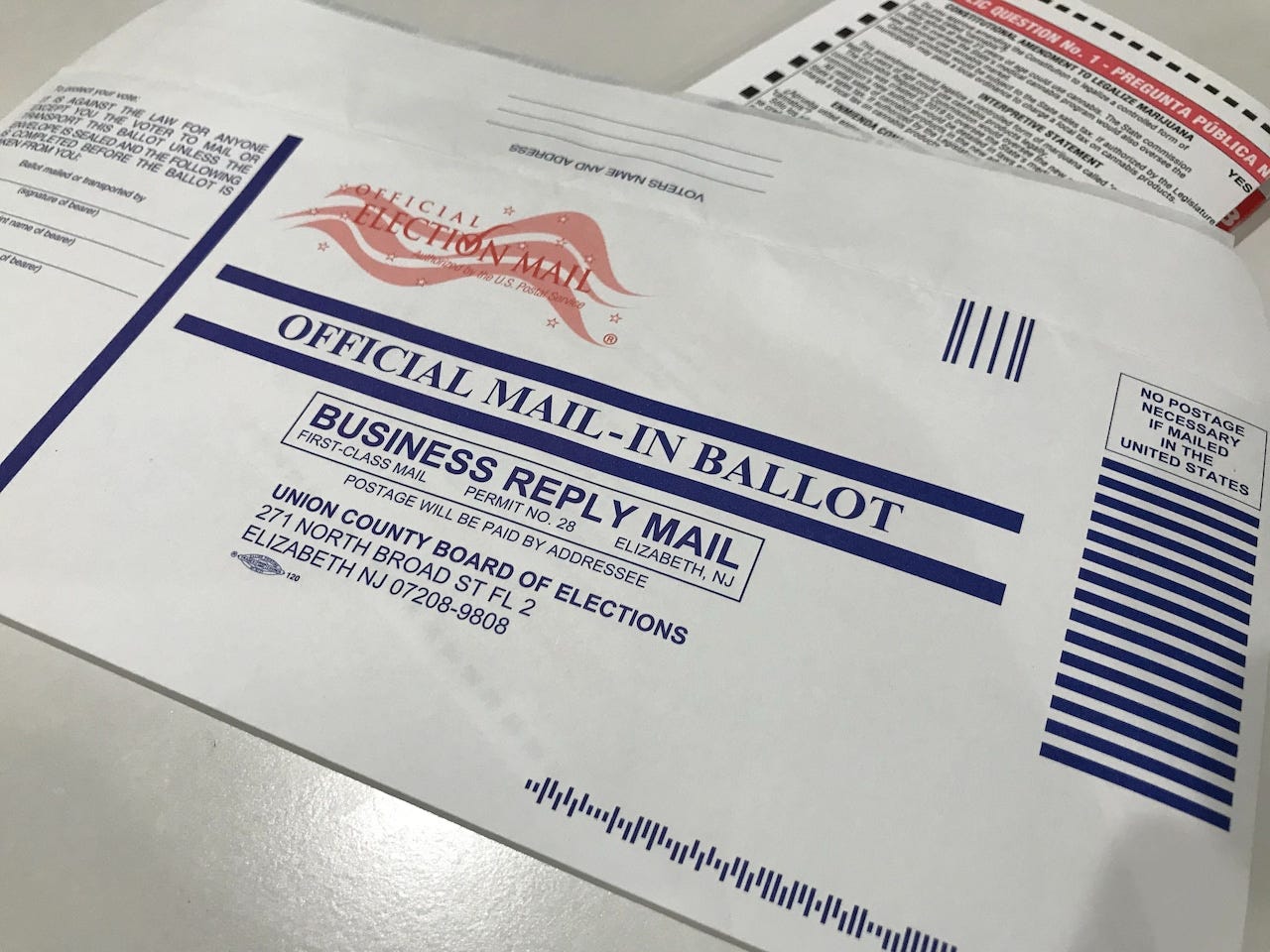
WASHINGTON — The Supreme Court ruled Monday against the Republican National Committee in Watson v. Republican National Committee, holding 5-4 that states can count mail ballots that are cast by Election Day but arrive afterward, rejecting the GOP’s challenge to a Mississippi law permitting late-arriving ballots.
Justice Amy Coney Barrett authored the majority opinion, joined by Chief Justice John Roberts and the three liberal justices.
At issue was a Mississippi law allowing ballots received up to five days after the election to be counted, provided they were postmarked by Election Day. The RNC argued the practice conflicted with a federal statute dating to 1845 that designated Election Day as the first Tuesday after the first Monday in November, contending ballots must not just be cast but received by that date.
Mississippi is one of a few states, including D.C., that allows such a grace period. The ruling preserves those laws heading into the 2026 midterms.
The Trump administration had backed the RNC’s challenge, arguing Election Day is the day the ballot box closes and the deadline by which officials must have all ballots in hand.
After the ruling, RNC Chairman Joe Gruters called on Congress to pass the SAVE America Act, saying that “Democrats are inviting chaos at the ballot box by allowing elections to drag on for days and weeks after voters cast their ballots.”
The Court could have ruled narrowly on Mississippi’s specific statute or broadly in a way that impacts all states with a grace period.